
Do you want to learn how to play baccarat? Start with two hands, simple point values and three main selections. Users predict whether Player, Banker or Tie matches the final result. Drawing actions follow fixed rules after bets close, so players do not choose extra cards at Weed Seen Casino.
Do you want to learn how to play baccarat? Beginner guide
A beginner exploring do you want to learn how to play baccarat? content should view baccarat as a comparison between two hands. Player and Banker receive two cards first, followed by a third card only when published rules require it. The highest valid total is nine, while an opening eight or nine is a natural that ends drawing. These foundations make the table readable without relying on predictions.
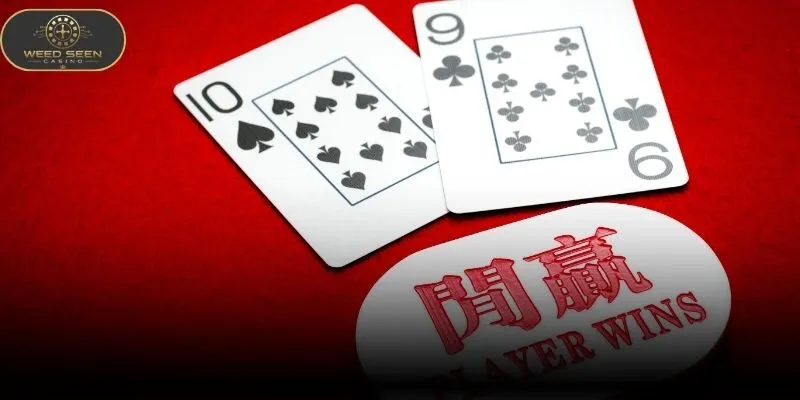
Basic baccarat rules and point counting
The rules are short enough to learn before entering a mobile table. Users select a result, cards are dealt and any required third card is applied automatically. Variations may change commission, side options or limits, so the help panel remains essential. The sections below describe standard commission-style baccarat.
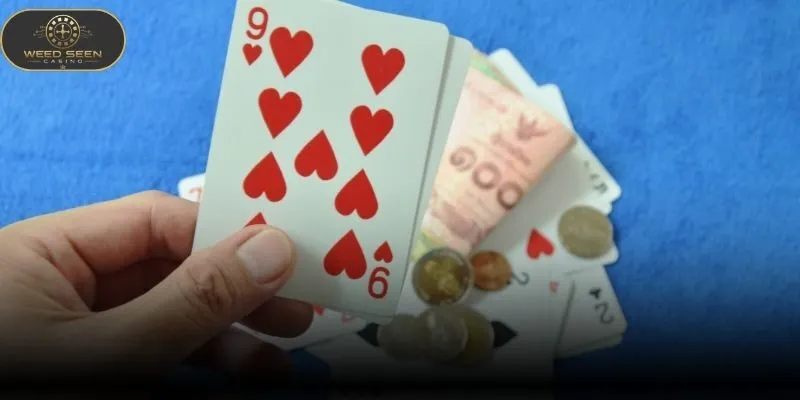
Do you want to learn how to play baccarat? Player Banker Tie
The Player selection wins when that hand finishes closer to nine, while Banker wins when its hand finishes higher. When totals match, Player and Banker selections normally push, while a separate Tie selection wins under its posted payout. Standard commission baccarat commonly pays Player even money and Banker even money less up to 5% commission. Tie may show a larger payout, but it carries higher long-term mathematical risk.
Card scoring for Do you want to learn how to play baccarat? readers
Card values are simple: an ace counts as one, two to nine retain face value, and tens or face cards count as zero. When a total exceeds nine, only the final digit applies, so seven plus eight becomes a value of five. Nine is the highest value, while zero is the lowest. These fixed values let users read totals quickly.
How automatic third card rules settle each hand
After the initial deal, a natural eight or nine means neither hand draws another card. Without a natural, Player draws on zero through five and stands on six or seven. If Player stands, Banker draws on zero through five; if Player draws, Banker follows the standard decision table shown below. Users do not control drawing actions, so they should check the published rule.
| Banker first two-card total | Draw rule when Player draws a third card |
| 0, 1 or 2 | Draw on any Player third card |
| 3 | Draw unless Player third card is 8 |
| 4 | Draw if Player third card is 2 through 7 |
| 5 | Draw if Player third card is 4 through 7 |
| 6 | Draw if Player third card is 6 or 7 |
| 7 | Stand |
The third-card table is designed for reading the outcome process, not for choosing a card personally. On a mobile table, the system should apply these rules after the selection period ends and before the final result is settled. A user can use one or two observation rounds to confirm that the table displays natural hands and third-card actions clearly. Once the procedure is understood, table decisions centre on selection size and session boundaries rather than card control.
Mobile steps for Do you want to learn how to play baccarat?
A mobile baccarat screen should show table limits, selections, countdown and completed results clearly. Before paid play, adults should confirm lawful access, read table rules and decide the maximum entertainment amount. A ₱500 limit at ₱50 per round permits ten initial selections before returned stakes or wins are considered. This calculation makes table speed easier to manage.

Step 1 choose a table and suitable chip limit
Select a table whose minimum stake fits the prepared entertainment amount. A new user may prefer standard baccarat with clearly displayed Player, Banker and Tie selections. Review Banker commission, Tie payout and any separate side-bet terms before acting. A suitable starting table is one whose rules and stake controls are understandable before the timer begins.
Step 2 place a selection before the betting window closes
After choosing a chip amount, select the intended option before the countdown ends. For Do you want to learn how to play baccarat? users, confirm the total chip value instead of tapping repeatedly near closing time. Once betting closes, the table deals cards and the submitted selection cannot be improved by a feeling about the outcome. This routine reduces accidental duplicate stakes.
Step 3 read settlement and balance updates carefully
When dealing is complete, the table compares Player and Banker totals and settles according to active rules. A standard Banker win may involve posted commission, while a tied total is treated according to the selected option. Check the balance update and round record before another wager window opens. A pause after each result prevents unreviewed repeat decisions.
Safer baccarat habits for mobile tables
Baccarat has few player decisions, so mathematical differences between selections matter. In a standard eight-deck, 5% commission model, house edge is about 1.06% for Banker, 1.24% for Player and 14.36% for Tie paying 8 to 1. This does not guarantee that Banker wins one hand or that Tie never appears. It shows why the posted rule deserves attention.
Set a session limit before selecting a main hand
A useful limit controls exposure rather than claiming to improve results. With ₱500 prepared and ₱50 rounds, a user can stop after ten unsuccessful rounds or earlier at a chosen time. The player can also decline any top-up once the planned amount is exhausted. Boundaries set before play reduce the urge to chase a prior result.
Why roadmaps do not predict the next hand
Roadmaps record whether Banker, Player or Tie won earlier hands. For Do you want to learn how to play baccarat? readers, they help confirm completed results and session length, but do not make streaks predictive. A Banker run does not make Player certain next, and a switching sequence need not continue. Treat the board as a record, not a reason to increase stakes.
Why Do you want to learn how to play baccarat? guides limit Tie
Tie attracts attention because its displayed payout is usually higher than the main selections. Under standard eight-deck analysis with an 8-to-1 Tie payout, its 14.36% house edge is far above Banker and Player. A high payout reflects lower-frequency success, not an easier route to value. Do you want to learn how to play baccarat? readers should never use Tie as a loss-recovery plan.
>>> Read More: Baccarat Guide For Beginners Mastering Every Table Rule
Conclusion
Do you want to learn how to play baccarat? Begin with point values, Player and Banker comparisons, automatic third-card rules and the payout panel shown on the table. Mobile play is easier to follow when users choose modest chips, review each settlement and treat history boards as records rather than forecasts. Banker may carry a lower stated house edge under standard commission rules, but every short-session outcome remains uncertain.